 william
 Eastern Canada’s festival corridor runs from Montreal to Halifax, delivering everything from Toronto’s sprawling NXNE showcase to intimate indie gatherings in Maritime fishing villages. The northeast music festival scene stands apart for its genre diversity and accessibility, with most events concentrated between late May and early September when the region shakes off winter and transforms into one continuous celebration.
NXNE 2026 just wrapped in Toronto (June 10-14), bringing 300+ artists to 30+ venues across the city, with Nathan Phillips Square serving as the festival’s beating heart. I spent three days bouncing between a sweaty punk show in Kensington Market and an ambient electronic set at the harbourfront, never walking more than twenty minutes between venues. That’s the northeast advantage: festivals here integrate into actual neighborhoods rather than cordoning off remote fairgrounds.
The region’s strength lies in variety. You’ll find jazz-focused weekends in Montreal’s Plateau, folk traditions celebrated in New Brunswick, and experimental electronic music tucked into converted warehouses across Halifax. Many festivals operate on multi-venue models, meaning you’re experiencing the city itself, not just a fenced field. Locals mix with tourists at after-parties in dive bars, and discovering next week’s headliner performing to forty people in a basement becomes part of the story you’ll tell for years.
Planning requires flexibility. Weather shifts fast in the northeast, so pack layers even for July events. Most festivals release their full schedules six to eight weeks out, with NXNE 2027 already locked for June 16-20 in Toronto. Early-bird passes typically offer the best value, and smaller festivals often provide single-day options if you’re testing the waters.
What Makes Northeast Music Festivals Different
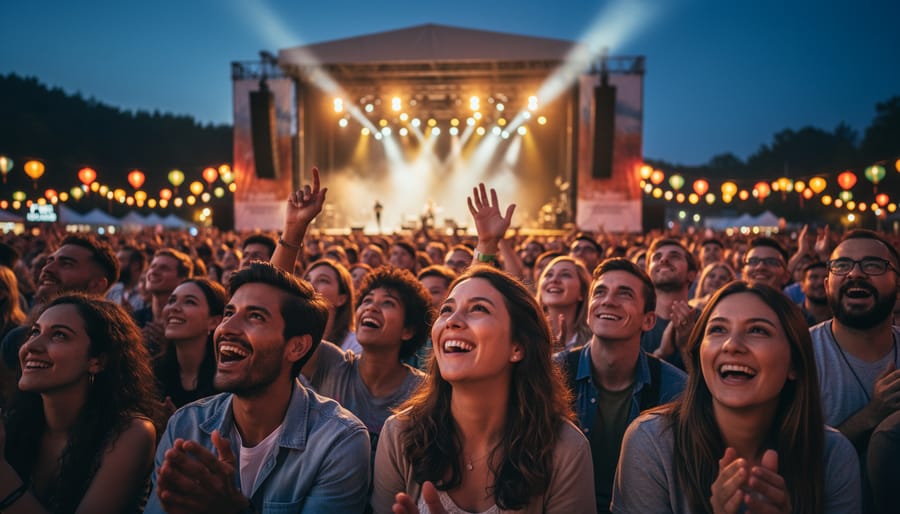
Canada’s northeast stands apart in the festival landscape because its events live right inside major cities rather than isolated rural fields. You can catch a morning set in a converted warehouse, grab lunch at a street-side patio, then head to an evening performance at a historic theatre, all within walking distance or a quick subway ride. This urban integration means festivals tap directly into the cultural energy of Toronto, Montreal, Ottawa, and Halifax, turning entire neighbourhoods into stages and bringing music to where people already live and work.
The region’s cultural diversity shows up unmistakably in festival lineups. You’ll find francophone singer-songwriters sharing billing with Jamaican dancehall artists, Indigenous electronic producers playing before indie rock bands, and jazz ensembles followed by experimental noise acts. This isn’t tokenism, it reflects the actual makeup of northeast cities, where multiculturalism isn’t a buzzword but daily reality. Programmers here understand that their audiences want to hear sounds from across the globe without boarding a plane.
What really sets these festivals apart is the emphasis on discovery. Northeast organizers take risks on artists who’ve released one EP or played fifty regional shows but haven’t broken nationally yet. I’ve watched basement venues packed for acts I’d never heard of, only to see those same artists headlining larger stages two years later. Established names draw crowds, sure, but the real buzz happens around the up-and-comers. Festivals here function as talent incubators, giving Canadian artists room to develop alongside international peers.
This blend creates a particular atmosphere. You might catch a Grammy-nominated headliner at 10 PM after discovering your new favourite band at a 7 PM club set three blocks away. The homegrown talent doesn’t play second fiddle, they’re positioned as equals worth your attention. That confidence in local scenes, combined with urban accessibility and genuine genre mixing, makes northeast festivals feel less like commercial spectacles and more like curated explorations of what music sounds like right now.
North by NorthEast: Toronto’s Multi-Venue Music Marathon
The NXNE Experience: What to Expect
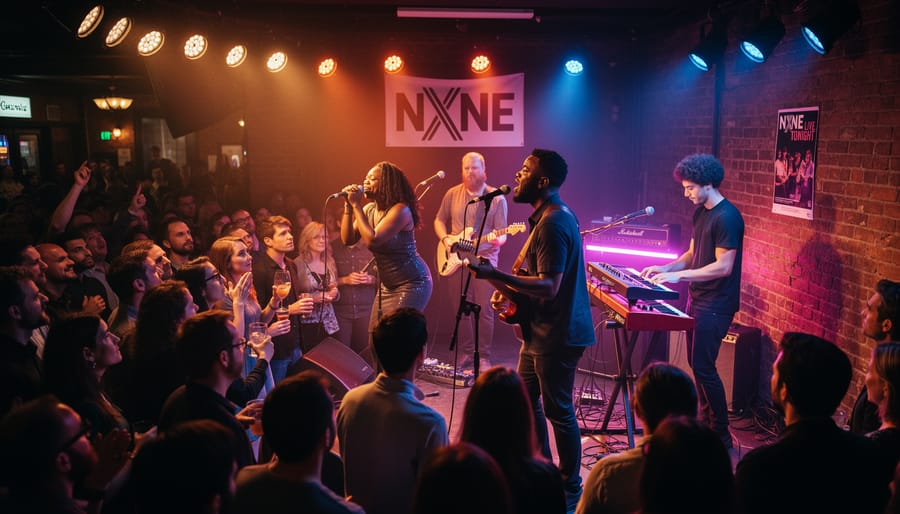
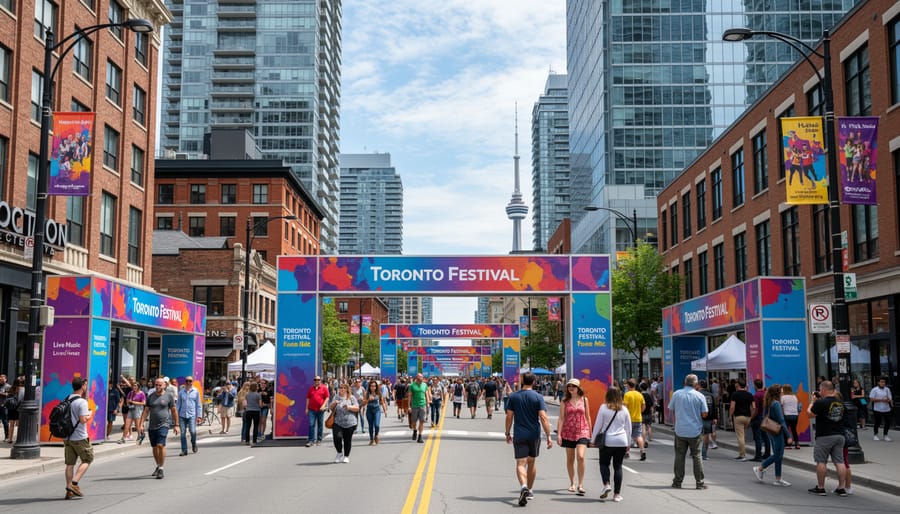
The NXNE pass unlocks the entire festival, granting access to all participating venues across Toronto’s downtown core. You’ll receive a wristband at registration that gets you into clubs, bars, galleries, and outdoor stages scattered throughout the city. Unlike single-location festivals, NXNE challenges you to curate your own experience, hopping between intimate 100-capacity rooms and sprawling outdoor setups at Nathan Phillips Square.
I’ll never forget my first night bouncing between venues. Started at a packed indie rock show in a Queen West basement, caught three songs from a synth-pop duo in a Kensington Market cafe, then stumbled into an unexpected hip-hop showcase that became the highlight of my week. That’s the NXNE magic: you can’t possibly see everything, so every choice feels like a small adventure. The festival app lists set times, but half the fun is wandering between acts and discovering something completely outside your usual taste.
The programming philosophy prioritizes discovery over big-name curation. Sure, there are recognizable headliners, but NXNE packs its schedule with emerging artists who might be playing their first Toronto show. You’ll find yourself in crowds of thirty people watching a band that could headline arenas in two years. Between sets, the festival after-parties and spontaneous street performances keep the energy high well past midnight. Wear comfortable shoes and charge your phone fully because you’ll be covering serious ground across the city.
Other Notable Northeast Music Festivals
The northeast stretches far beyond Toronto, and each province brings its own festival personality to the mix. Montreal alone hosts more major music events than most cities see in a decade, from the legendary Quebec jazz festival that transforms downtown into an outdoor concert hall each summer to electronic music gatherings that pulse through the city’s club district. What strikes me about Quebec’s festival scene is how effortlessly it weaves French and English programming together, creating lineups that feel genuinely international without losing their local character.
The Maritime provinces approach festivals differently, leaning into kitchen party traditions and Celtic roots. I spent a weekend at a Cape Breton folk festival where the line between performer and audience dissolved entirely, everyone eventually joining the late-night jam sessions that spilled from venues onto the street. These gatherings celebrate regional identity through music in a way that feels deeply personal, even for visitors.
- Montreal’s dense festival calendar spanning jazz, electronica, francophone pop, and world music
- Ottawa’s capital celebrations blending national heritage with contemporary programming
- Maritime kitchen parties and Celtic folk traditions that prioritize community participation
- Indigenous music showcases honoring First Nations heritage across all provinces
Indigenous music festivals have grown significantly across the northeast, creating spaces for First Nations artists to share traditional and contemporary work. These events often combine music with storytelling, art, and cultural education, offering perspectives you won’t find at mainstream festivals. They’re also where you’ll discover artists blending powwow drums with electronic beats or throat singing with hip-hop, innovations that push Canadian music forward.
Ontario beyond Toronto hosts everything from rural bluegrass gatherings to mid-sized indie rock festivals in college towns. What ties the region together isn’t a single sound but a shared commitment to artist development. Northeast festivals consistently program emerging acts alongside headliners, treating discovery as part of the value proposition rather than filler between big names.
To find what’s happening, check provincial tourism sites and local music media rather than waiting for national coverage. Many northeast festivals stay deliberately mid-sized, prioritizing community over mass appeal, which means they don’t always show up on mainstream festival roundups despite offering exceptional experiences.
Planning Your Northeast Festival Trip
Getting to northeast festivals is refreshingly straightforward compared to remote camping events. Toronto, Montreal, and Ottawa all have international airports, and if you’re flying in for NXNE or another major city festival, you’ll land within subway or rideshare distance of most venues. The train corridor linking these cities makes festival-hopping possible too, I’ve taken the morning VIA Rail from Montreal to Toronto and caught opening acts by evening. Between cities, Megabus and FlixBus offer budget-friendly options, though booking early matters for festival weekends when demand spikes.
Accommodation requires different thinking for urban festivals. Hotels near downtown cores fill fast and price accordingly, but the advantage of city festivals is transit access. I’ve stayed in neighborhoods 20 minutes out by subway and saved enough for an extra festival pass. Hostels work brilliantly for solo travelers wanting to meet fellow festival-goers, while Airbnb can be cost-effective for groups splitting a place. Book as soon as you lock in festival dates, Toronto accommodations during NXNE week disappear months ahead.
Packing light is your friend when venue-hopping. Northeast weather from May through September swings unpredictably, so layers beat bulk. I learned this fumbling through a backpack for a rain jacket while missing the start of a set. A comfortable crossbody bag, rechargeable phone battery, and broken-in shoes matter more than festival fashion. If you’re hitting multiple venues in one night, checking what to expect at different venue types helps you plan, some clubs have coat check, others don’t.
Budget realistically for city festivals. Your pass is just the start: transit adds up when you’re crossing town between venues, and unlike camping festivals, you’re buying meals and drinks at city prices. I typically allocate 50-70 dollars daily beyond the ticket for food, local transport, and the occasional Uber when late-night subway service ends. Cash still matters at smaller venues and food trucks.
International visitors should know that Canadian festivals are welcoming but bring particular logistics. US citizens need only a passport, but festival season coincides with summer tourism, so airport lines lengthen. Credit cards work everywhere, though notifying your bank prevents awkward declines. The drinking age is 19 in Ontario, 18 in Quebec, venue staff check ID consistently, so carry yours.
Genre Diversity and Artist Discovery
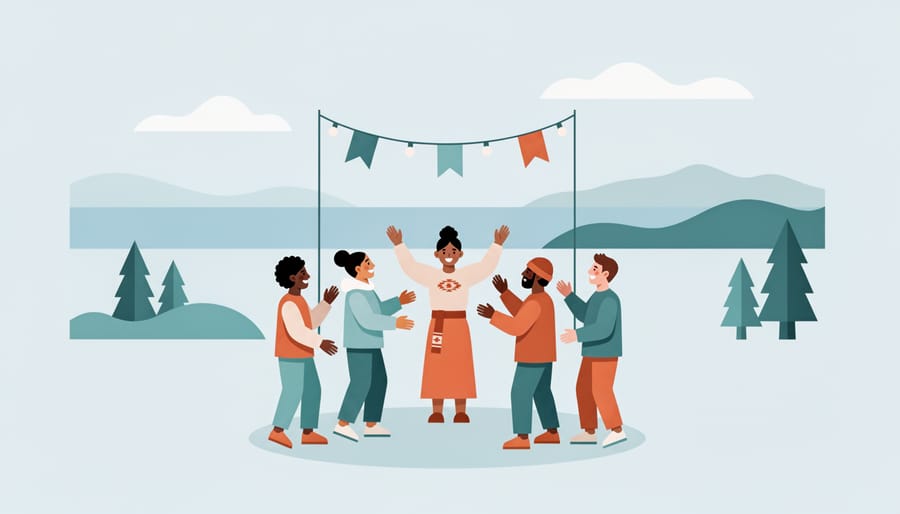
I stumbled into a tiny Queen West venue at NXNE a few years back to catch what I thought was an indie rock set, and walked out having witnessed a Malian kora player backed by a Toronto electronic producer. That’s the northeast festival magic in action: you show up for one thing and leave with three new artists in your rotation who blend genres you didn’t know worked together.
Northeast festivals thrive on this kind of collision. Unlike single-genre events, festivals from Toronto to Montreal build lineups that mirror the region’s cultural mosaic. You’ll find hip-hop acts sharing bills with folk traditionalists, electronic artists collaborating with classical ensembles, and jazz discovery moments tucked between punk sets. This intentional mixing creates what programmers call “happy accidents,” where a metal fan discovers they love spoken word poetry, or a hardcore country listener gets hooked on experimental electronica.
The balance between headliners and newcomers feels different here too. Major northeast festivals typically dedicate 40-50% of their slots to emerging artists, often from the local scene. Toronto, Montreal, and Halifax have vibrant artist communities that supply festivals with fresh talent every year. Programmers actively scout club shows and campus venues year-round, which is why you might catch an artist at a 200-capacity room one June and see them headlining a festival stage the next summer.
Local music scenes don’t just feed festivals; they shape their identity. Quebec festivals naturally feature francophone artists who rarely tour anglophone Canada. Maritime events platform Celtic and folk traditions that run deep in those communities. Indigenous artists are increasingly central to northeast programming, bringing perspectives and sounds that challenge what Canadian music can be.
The region’s density of music schools, recording studios, and independent labels creates an artist development ecosystem unmatched elsewhere in Canada. Festivals become the live testing ground where that talent meets audiences willing to take chances on unknowns.
Common Questions About Northeast Music Festivals
The logistics of attending northeast festivals raise practical questions, especially if you’re new to the region or multi-venue events. Here are answers to help you plan.
When is festival season in the northeast?
The bulk of northeast music festivals run from late May through early September, with the heaviest concentration in June, July, and August. NXNE kicks off the season in mid-June, while smaller festivals continue into early fall when the weather cools.
How do multi-venue festivals like NXNE work?
Multi-venue festivals spread performances across different clubs, bars, and outdoor stages throughout a city. Your festival pass grants access to all participating venues, and you create your own path based on set times and personal preferences, hopping between locations as the night unfolds.
What’s the weather like during summer festivals?
Northeast summers are generally warm and humid, with daytime temperatures ranging from 20-30°C (68-86°F), but evenings can cool down significantly. Pack layers and rain gear since sudden thunderstorms are common, especially in July and August.
Are passes better than single-day tickets?
For multi-venue city festivals, passes offer better value and flexibility since you can attend multiple shows each night without worrying about individual cover charges. Single-day tickets work if you’re targeting specific headliners at traditional outdoor festivals.
Family-friendliness varies by event. Many northeast festivals include daytime all-ages programming alongside evening 19+ shows, particularly those with outdoor main stages like Nathan Phillips Square. Check individual festival policies before buying tickets if you’re bringing kids.
Urban festivals in Toronto, Montreal, and Halifax benefit from excellent public transit, making venue-hopping practical without a car. Rural festivals in the Maritimes or cottage country require more planning around parking and designated drivers. The trade-off is atmosphere: urban festivals pulse with city energy and spontaneity, while rural events offer immersive weekend escapes with camping options.
Accessibility has improved across the region, with most major festivals now offering wheelchair-accessible venues, designated viewing areas, and ASL interpretation for main stages. Contact organizers ahead of time for specific accommodations. For after dark tips about navigating late-night festival scenes, the same principles apply whether you’re in Toronto clubs or Montreal’s underground venues.
Weather contingency plans matter more than you’d think. Northeast summer storms roll in fast, so know which venues are indoors and have a backup plan when outdoor stages go dark temporarily.
Canada’s northeast doesn’t just host music festivals, it creates spaces where discovery happens organically. I’ve watched strangers become friends over a shared set at a tiny Queen Street club, then run into those same people two venues later, buzzing about what they’d just seen. That spontaneous energy, multiplied across dozens of stages and thousands of attendees, is what sets this region apart.
The festivals here reward curiosity. Show up with rigid expectations about sticking to one genre, and you’ll miss the magic. The best nights happen when you follow a recommendation from someone in line, wander into a venue you’d never heard of, or stick around for an opener who completely changes your definition of what you thought you liked.
Whether you’re planning your first NXNE adventure or exploring festivals across Quebec and the Maritimes, approach it as a chance to surprise yourself. The northeast’s urban festival scene thrives because it brings together communities that might never otherwise intersect, and that diversity of sound, perspective, and experience is exactly what makes these events unforgettable.